
As the chilly winds howl and the sky turns gray, I’ve found myself reaching for a bowl of something truly comforting: my 30-Minute Healing Winter Warmer Soup. This vibrant, vegan concoction is infused with the earthy goodness of turmeric and the spicy warmth of ginger, making it the perfect antidote to winter’s dreariness. Not only is it quick to prepare, but it also delivers a hearty punch of nutrients, ensuring you feel nourished and revitalized. With both stove-top and Instant Pot methods, this soup is adaptable to any kitchen! So, whether you’re a busy parent or a seasoned home-chef, you can whip up this gluten-free delight in no time. Ready to fill your kitchen with mouthwatering aromas and fend off the winter blues? Let’s dive into this delightful recipe!
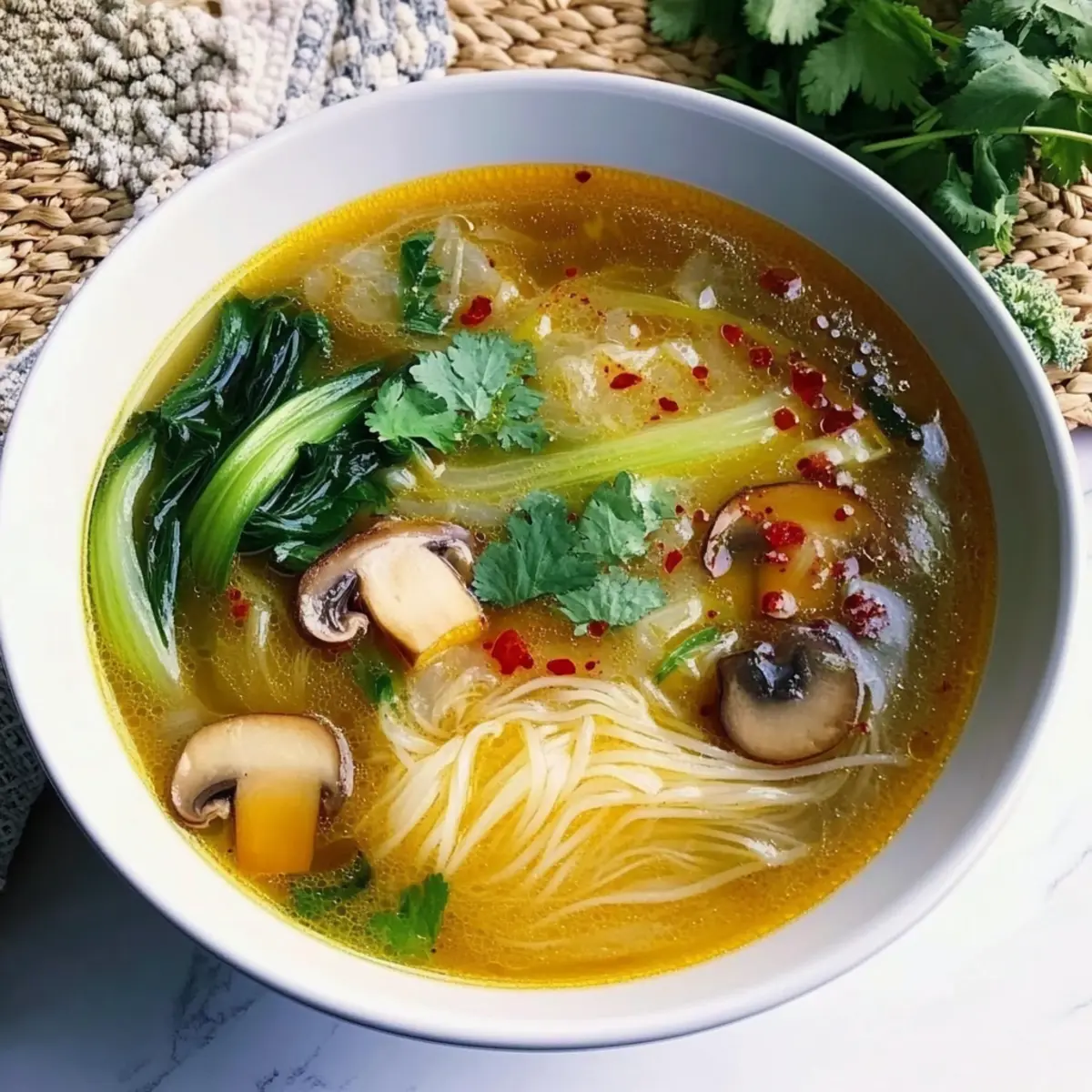
Why is this Winter Warmer Soup special?
Comforting, Hearty Flavor: Every bowl is a warm hug, bursting with the bold flavors of turmeric and ginger, perfect for cozy winter days.
Quick Prep: Done in just 30 minutes, it’s ideal for those evenings when time is tight but healthy eating is a must.
Vegan and Gluten-Free: A nourishing option for everyone—whether you’re vegan, gluten-sensitive, or just looking for wholesome meals.
Two Cooking Methods: Easily switch between the stove-top and Instant Pot methods to fit your kitchen rhythm.
Versatile Ingredients: Feel free to swap in your favorite vegetables or proteins, making this soup adaptable to your pantry treasures.
Nutrient-Packed: Not only is it delicious, but it’s also filled with healing nutrients that boost your well-being. For more easy and nutritious meals, check out my quick meals.
Winter Warmer Soup Ingredients
• Gather your essentials to create a delightful Winter Warmer Soup that’s both nourishing and delicious!
For the Soup Base
- Oil – Adds richness and flavor to sautéed vegetables; substitute with water for oil-free cooking.
- Bay Leaves – Enhance the broth’s aroma and flavor; use fresh or dried leaves for the best results.
- Garlic (5-6 cloves, minced) – Provides a robust base flavor; can use garlic powder in a pinch (1 tsp = 1 clove).
- Ginger (1-2 inch piece, grated) – Adds warmth and spice; fresh is preferable over dried for maximum flavor.
- Celery (2 stalks, finely chopped) – Contributes texture and flavor; replace with carrots for a touch of sweetness.
- Low Sodium Vegetable Stock (4 cups) – Serves as the soup base enhancing the flavors; water can substitute if seasoned well.
- Turmeric Powder (1 tsp) – Imparts a golden hue and earthy flavor; fresh turmeric can bring an even bolder taste.
- Ground Black Pepper (⅓ tsp) – Adds subtle heat and depth to the soup; vital for absorbing the benefits of turmeric.
- Salt – Enhances overall flavor; adjust to your taste preference.
For the Vegetables
- Baby Bok-Choy (4, cut) – Adds crunch and nutrition; substitute with spinach or kale if preferred.
- Onion (1, diced) – Base flavor companion to garlic; yellow onions are optimal, but red can work in a pinch.
- Mushrooms (2 cups, quartered) – Provide umami richness; shiitake or enoki are great alternatives.
For the Finish
- Thin Rice Noodles (1 cup) – Adds texture and heartiness to the soup; substitute with gluten-free pasta as needed.
- Cilantro (Handful, chopped) – Fresh garnish that brightens flavors; parsley is an excellent substitute.
- Lime or Lemon Juice (1 tbsp) – Balances the soup’s richness; vinegar can serve well for acidity in a pinch.
- Red Chili Flakes/Chili Garlic Sauce – Add heat to taste; adjust according to your personal spice preference.
Prepare to savor a deeply comforting meal with these simple and wholesome ingredients!
Step‑by‑Step Instructions for Winter Warmer Soup Recipe
Step 1: Sauté Vegetables
In a large pot, heat 1 tablespoon of oil over medium heat. Add the diced onion, quartered mushrooms, and chopped baby bok-choy. Sauté these ingredients for about 5-7 minutes, stirring occasionally until the mushrooms are deeply browned and the bok-choy is slightly charred. Once done, remove the sautéed mixture from the pot and set it aside.
Step 2: Prepare Broth Base
In the same pot, add another teaspoon of oil if needed, then toss in the finely chopped celery, bay leaves, minced garlic, and grated ginger. Sauté this aromatic mixture for about 3 minutes, until the celery is tender and the garlic is fragrant, stirring continuously to prevent burning and ensuring an even cooking.
Step 3: Toast Spices
Next, stir in 1 teaspoon of turmeric powder and ⅓ teaspoon of ground black pepper into the pot. Toast these spices gently for about 30 seconds, allowing them to release their flavors and aromas before they blend with the vegetables. This step is crucial in enhancing the overall flavor profile of your Winter Warmer Soup.
Step 4: Simmer Broth
Pour in 4 cups of low-sodium vegetable stock and bring the mixture to a rolling boil over high heat. Once boiling, reduce the heat and let it simmer gently for about 20 minutes, stirring occasionally. Season the broth with salt and add 1 tablespoon of lime or lemon juice for balance, ensuring all the flavors meld beautifully together.
Step 5: Combine and Serve
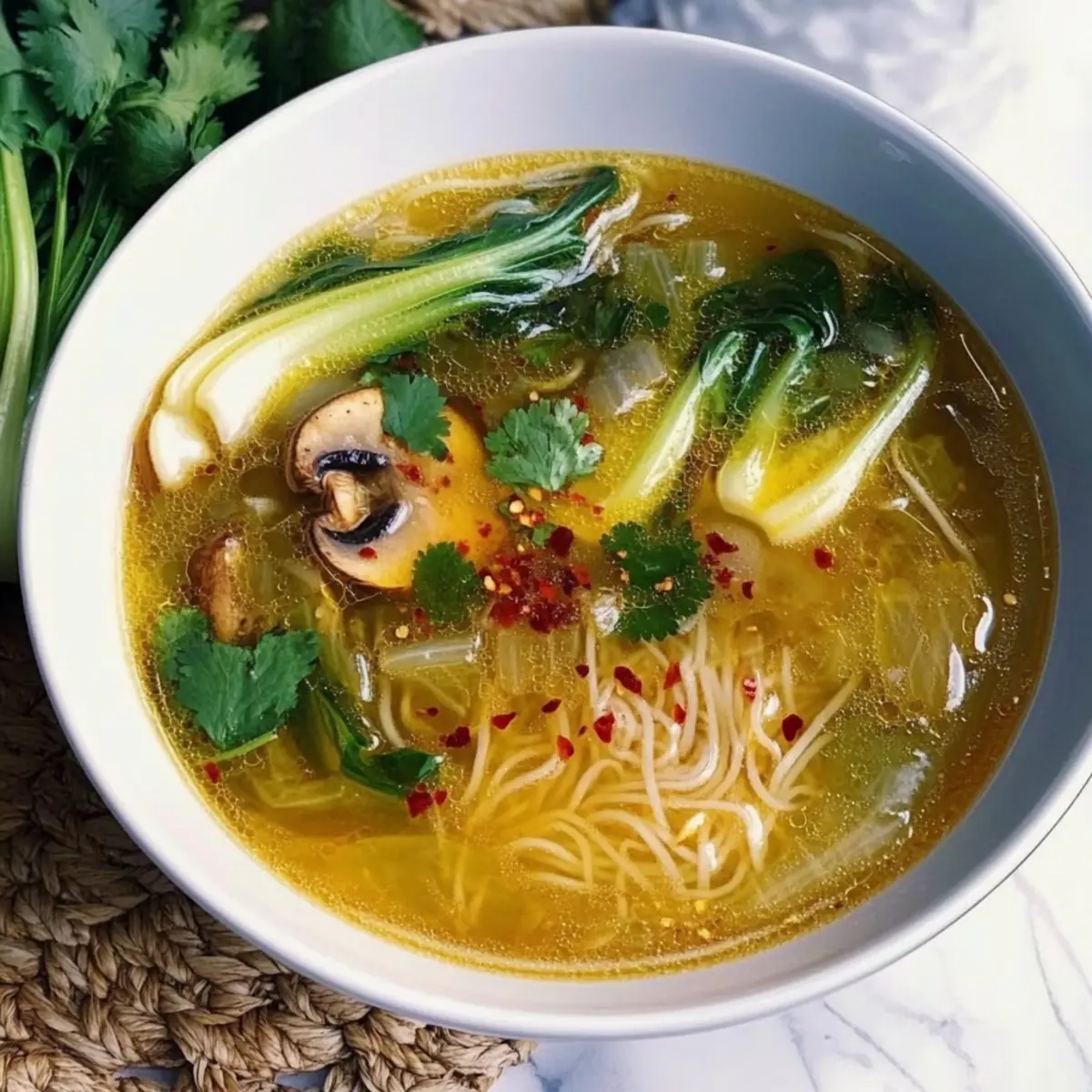
In serving bowls, add a portion of the thin rice noodles and top them with the sautéed bok-choy and mushroom mixture. Pour the steaming broth over the noodles, allowing them to absorb the delicious flavors of the soup. Garnish with freshly chopped cilantro and a sprinkle of red chili flakes, offering a delightful finish to your comforting Winter Warmer Soup.
Expert Tips for Winter Warmer Soup
-
Perfect Noodle Timing: Always add thin rice noodles just a few minutes before serving to prevent them from overcooking in the warm broth.
-
Veggie Flexibility: Don’t hesitate to swap in your favorite vegetables like broccoli or sweet potatoes; this winter warmer soup recipe is adaptable to what you have on hand.
-
Creamy Twist: For a richer texture, stir in a splash of coconut milk after cooking to elevate the creaminess of your soup.
-
Sauté Wisely: Be cautious with the sautéing process—keep the heat low enough to avoid burning the garlic and ginger, ensuring a fragrant base for your soup.
-
Storage Savvy: To maintain flavor, refrigerate leftovers in an airtight container for up to 3 days, reheating gently to preserve the cozy essence of this winter warmer soup.
-
Season to Taste: Remember to adjust the salt after the broth has simmered; the flavors deepen over time, so taste before serving!
Make Ahead Options
Preparing this Winter Warmer Soup ahead of time is a fantastic way to save time on busy weeknights! You can chop all the vegetables (up to 24 hours in advance) and store them in an airtight container in the refrigerator to keep them fresh. Similarly, you can make the broth and refrigerate it for up to 3 days. When you’re ready to enjoy the soup, simply reheat the broth, add the rice noodles, and toss in the sautéed vegetables. This method ensures each bowl is just as hearty and flavorful as when freshly made, allowing you to savor comforting goodness with minimal effort after a hectic day.
What to Serve with Winter Warmer Soup Recipe
As you prepare to indulge in this nourishing bowl of comfort, consider these delightful accompaniments that elevate your meal experience.
-
Crusty Bread: A warm, crusty loaf is perfect for scooping up every last drop of that rich, flavorful broth. There’s nothing like the satisfying crunch of fresh bread to complement the comforting soup!
-
Simple Green Salad: A refreshing salad with crisp greens, cherry tomatoes, and a light vinaigrette balances the soup’s warmth and richness. It adds a burst of color and vitality to your meal.
-
Roasted Vegetables: Serve roasted seasonal vegetables like carrots and Brussels sprouts for an exquisite mix of sweetness and texture. Their caramelized edges enhance the hearty flavors of the soup beautifully.
-
Coconut Rice: Try pairing the soup with fragrant coconut rice for an added layer of indulgence that complements the warm spices. The creaminess of the rice creates a symphony of flavors.
-
Savory Quinoa: This nutrient-dense grain is a wholesome side that absorbs the soup’s flavors while adding a delightful chewiness. It’s also a fantastic gluten-free option!
-
Herbal Tea: Enjoy a cup of soothing herbal tea, like chamomile or ginger, to sip alongside your meal. The warm infusion rounds out the dining experience, providing calming gestures on a chilly day.
-
Chili Garlic Sauce: For those who love an extra kick, serve a small dish of chili garlic sauce on the side. A dash of this spicy concoction will add depth and excitement to your soup!
-
Fresh Lemon Wedges: A squeeze of fresh lemon right before your first bite can elevate the soup amazingly. It adds brightness and enhances the dish’s overall complexity for the perfect finish.
Storage Tips for Winter Warmer Soup
Fridge: Refrigerate leftovers in an airtight container for up to 3 days to maintain freshness and flavor.
Freezer: Freeze the soup in a freezer-safe container for up to 3 months. Leave space at the top for expansion when frozen.
Reheating: To reheat, place the frozen soup in the fridge overnight to thaw. Gently warm on the stove over low heat, stirring occasionally.
Serving Suggestion: For extra flavor, consider adding a squeeze of fresh lime just before serving the reheated winter warmer soup.
Winter Warmer Soup Recipe Variations
Feel free to personalize this comforting soup with delightful twists that excite your taste buds!
-
Protein Boost: Add cubed tofu, canned chickpeas, or white beans for plant-based protein, making the soup more filling and nutritious.
These additions aren’t just nutritious; they’ll transform your bowl into a hearty meal that’s perfect for a chilly evening. -
Vegetable Diversity: Swap in your favorite seasonal vegetables like sweet potatoes, zucchini, or butternut squash for a new flavor profile.
Don’t be shy to experiment; each vegetable brings its unique textures and tastes to the pot, enhancing your soup experience! -
Rich Coconut Cream: Stir in a splash of coconut milk at the end for a creamy texture that pairs wonderfully with the spices.
It adds a luxurious richness that perfectly complements the bright flavors of turmeric and ginger. -
Herbal Infusion: Fresh basil or mint in place of cilantro adds a refreshing twist to the soup’s flavor, making it even more aromatic.
This small change can elevate your dish, giving it a whole new personality! -
Noodle Variety: Experiment with soba, whole wheat, or even quinoa noodles for different textures and added nutrition.
Each noodle type has its charm, enabling you to cater to your family’s preferences or dietary needs. -
Extra Heat: Amp up the spice level with fresh chili peppers or more chili garlic sauce according to your heat tolerance.
It’s a simple way to customize your winter warmer to be as fiery as you prefer! -
Savory Umami: Consider adding a splash of soy sauce or miso for an extra depth of flavor and savory goodness.
These ingredients will make the broth richer and more complex, enhancing the overall deliciousness of the soup. -
Quick Meal Companion: Pair this hearty winter warmer soup with a simple side salad or crusty bread for a complete and satisfying meal.
These sides not only complement the soup but also create a beautiful balance of flavors and textures on your table.
Feel free to let your culinary creativity shine while making this soup your very own! For more delicious adaptations, check out my guidelines on flexible ingredient swaps to further customize your kitchen adventures.
Winter Warmer Soup Recipe FAQs
What type of vegetables should I use for my Winter Warmer Soup?
Feel free to get creative with your veggie choices! While this recipe suggests baby bok-choy, mushrooms, and celery, you can easily substitute in favorites like broccoli, sweet potatoes, or red peppers. The key is to incorporate vegetables that add both texture and flavor to the soup, making it your own unique blend!
How should I store leftover Winter Warmer Soup?
Refrigerate leftover soup in an airtight container for up to 3 days. This way, you can enjoy the flavors again without compromising on the deliciousness! If you need to store it longer, use a freezer-safe container to keep it fresh for up to 3 months.
Can I freeze my Winter Warmer Soup?
Absolutely! To freeze, let the soup cool completely, and then pour it into a freezer-safe container. Leave about an inch of space at the top to allow for expansion when freezing. When you’re ready to enjoy it again, thaw the soup in the fridge overnight and reheat it gently on the stove over low heat.
What if I don’t have low-sodium vegetable stock?
If low-sodium vegetable stock isn’t available, you can substitute it with water, just be sure to add extra seasonings like herbs, garlic, or onion to enhance the flavor. You can also dilute regular vegetable stock with water to reduce the sodium level and still enjoy a tasty broth without compromising the taste of your Winter Warmer Soup.
Can pets eat the ingredients in Winter Warmer Soup?
While most of the ingredients are safe for human consumption, it’s best to avoid sharing the soup with pets due to the garlic and onion, which can be harmful to dogs and cats. Always stick to pet-safe vegetables and consult your vet if you’re unsure about any specific ingredient before sharing!
What should I do if my soup turns out too thick?
If your soup is thicker than desired, don’t worry! You can adjust the consistency by gradually adding more vegetable stock or water until you reach your preferred texture. Stir well after each addition and allow the soup to heat through before serving to ensure everything is perfectly combined!

Cozy Up with This Healing Winter Warmer Soup Recipe
Ingredients
Equipment
Method
- In a large pot, heat 1 tablespoon of oil over medium heat. Add the diced onion, quartered mushrooms, and chopped baby bok-choy. Sauté for about 5-7 minutes until the mushrooms are browned and bok-choy is charred.
- In the same pot, add another teaspoon of oil if needed, then add the finely chopped celery, bay leaves, minced garlic, and grated ginger. Sauté for about 3 minutes until tender.
- Stir in 1 teaspoon of turmeric powder and ⅓ teaspoon of ground black pepper into the pot. Toast for about 30 seconds to enhance flavors.
- Pour in 4 cups of low-sodium vegetable stock and bring to a boil. Reduce heat to simmer gently for about 20 minutes.
- Add salt and 1 tablespoon of lime or lemon juice. In serving bowls, add thin rice noodles and top with sautéed mixture, pouring broth over them and garnishing with cilantro and chili flakes.
Leave a Reply