
As I carefully removed the golden sweet potatoes from the oven, a warm wave of nostalgia washed over me—this was the essence of home-cooked comfort. The Thai Peanut Sweet Potato Buddha Bowl is not just a dish; it encapsulates vibrant flavors and nourishing ingredients that keep your spirit bright and your body fueled. With its tender sweet potatoes, crunchy veggies, and a drool-worthy peanut sauce, this recipe is perfect for meal prep, saving you time while tantalizing your taste buds. Plus, it’s a delightful plant-based option that’s bound to impress anyone looking to break free from fast food monotony. Ready to dive into this wholesome experience and feel the reward of a homemade creation? Let’s get cooking!
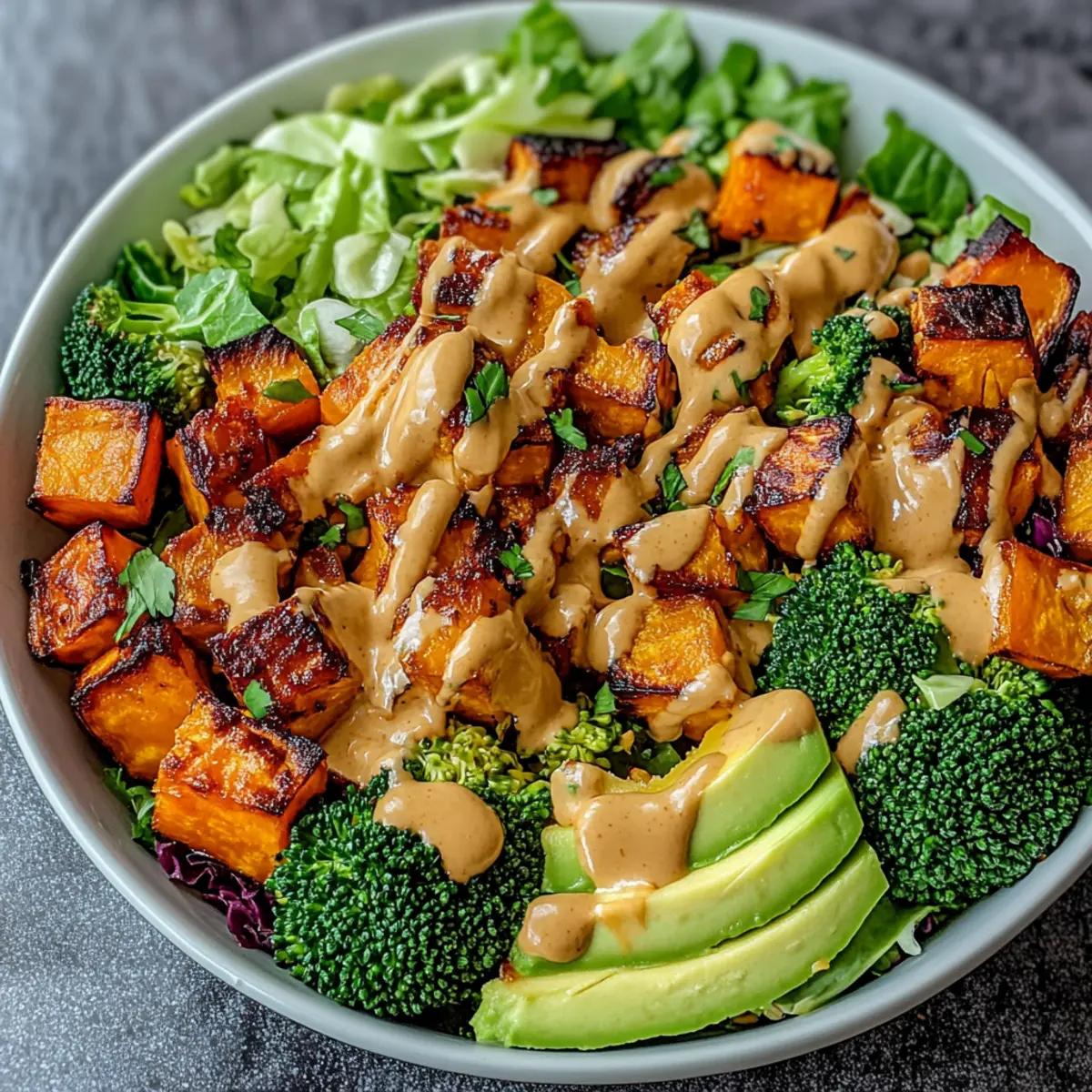
Why is this Buddha Bowl unbeatable?
Versatility: This dish allows you to mix and match your favorite vegetables, making it a canvas for your creativity. Nutritious: Packed with vitamins and minerals, every bite offers nourishment as well as flavor. Meal Prep Friendly: Perfect for busy weeknights, easily prep components ahead of time for speedy assembly. Crowd-Pleaser: Even non-vegan friends will rave about the delicious peanut sauce and vibrant blend of ingredients. Elevate your meal game with this satisfying bowl that makes plant-based dining exciting and delicious!
Thai Peanut Sweet Potato Ingredients
• The heart of this dish features fresh, wholesome components to create a delightful experience.
For the Bowl
- Sweet Potatoes – Add natural sweetness and fiber; roasting them enhances their flavor and texture.
- Olive Oil – Essential for roasting; it provides richness—avocado oil is a great alternative.
- Broccoli – Crunchy and nutritious; you can swap it with green beans for a different taste.
- Shredded Cabbage – Adds color and crunch; Napa cabbage makes a fine substitution.
- Carrots – Sweet and textural; for variety, try replacing them with bell peppers.
- Avocado – Brings creaminess to the bowl; tahini is a nut-free alternative.
For the Peanut Sauce
- Peanut Butter – The base of the sauce, giving richness and flavor; almond butter can be used for a twist.
- Soy Sauce – Adds delicious umami to the sauce; tamari works well for a gluten-free version.
- Maple Syrup – Provides natural sweetness; you can substitute it with honey or agave syrup if needed.
- Lime Juice – Brightens the dish and enhances flavors; in a pinch, lemon juice will do.
- Sesame Oil – Adds depth to the peanut sauce; you can use olive oil if you prefer.
For Topping
- Cilantro – Fresh herb garnish that elevates flavor; omitting it won’t hurt, but it adds brightness.
- Peanuts – A crunchy topping for texture; replace with sesame seeds for a nut-free option.
With these ingredients, your Thai Peanut Sweet Potato Buddha Bowl will be a deliciously satisfying meal that tantalizes the taste buds!
Step‑by‑Step Instructions for Thai Peanut Sweet Potato Buddha Bowl
Step 1: Preparation
Start by dicing the sweet potatoes into 1-inch cubes and place them in a large bowl. Chop the broccoli into bite-sized florets, slice the avocado, and grate the carrots. Keeping your ingredients organized will make the cooking process smoother. Preheat your oven to 400°F (200°C) as you prepare to roast the sweet potatoes.
Step 2: Roasting Sweet Potatoes
In a mixing bowl, toss the diced sweet potatoes with a drizzle of olive oil, salt, and pepper until evenly coated. Spread the sweet potatoes in a single layer on a baking sheet, ensuring they are not overcrowded for even roasting. Bake in the preheated oven for 25-30 minutes, or until they are golden brown and tender, flipping halfway through for an even roast.
Step 3: Mixing Vegetables
While the sweet potatoes are roasting, combine the chopped broccoli, shredded cabbage, grated carrots, and sliced avocado in a large serving bowl. Gently toss the vegetables together until they are well mixed. This colorful medley will provide a refreshing crunch to your Thai Peanut Sweet Potato Buddha Bowl.
Step 4: Making the Peanut Sauce
In a small bowl, whisk together the peanut butter, soy sauce, maple syrup, fresh lime juice, and sesame oil until the sauce is smooth and creamy. Taste it to ensure the balance of flavors is just right—adjust sweetness or acidity as desired. This rich sauce is essential for bringing the bowl’s ingredients together in harmony.
Step 5: Assembly
Once the sweet potatoes are perfectly roasted, remove them from the oven and let them cool slightly. Assemble your bowl by layering the mixed vegetables first, followed by the roasted sweet potatoes. Generously drizzle the luscious peanut sauce over the top, ensuring every bit gets coated.
Step 6: Garnishing
To finish off your Thai Peanut Sweet Potato Buddha Bowl, sprinkle freshly chopped cilantro and a handful of crushed peanuts for added crunch and flavor. This final touch not only beautifies your dish but also enhances the overall taste, creating a delightful meal that’s both nourishing and satisfying.
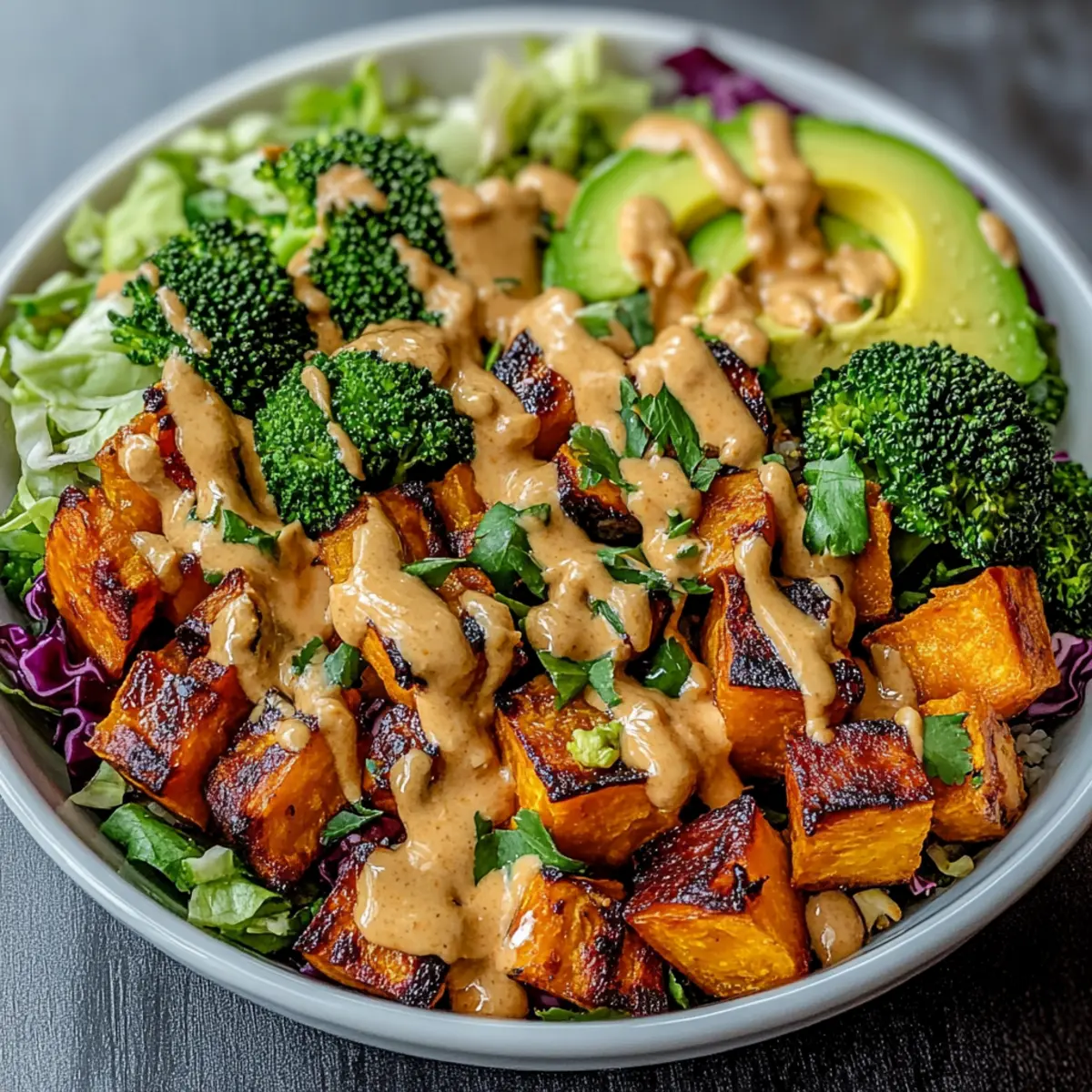
Variations & Substitutions for Thai Peanut Sweet Potato
Feel free to get creative with this recipe and make it your own by swapping out ingredients or adding exciting twists that suit your taste buds!
-
Grain Base: Replace sweet potatoes with cooked quinoa for a protein-packed grain alternative. Quinoa adds a lovely nutty flavor and complements the peanut sauce beautifully.
-
Vegan Protein: Use grilled tofu or tempeh instead of peanuts for a delightful texture. This swap not only amps up the protein but also makes the dish heartier.
-
Nut-Free: Substitute peanut butter with sunflower seed butter to create a nut-free peanut sauce that still bursts with flavor. It’s a fantastic way to maintain that creaminess without the nuts!
-
Extra Heat: For a spicy kick, incorporate chili flakes or sriracha into the peanut sauce. This fiery addition will give your Buddha bowl a delicious kick, perfect for heat-seekers!
-
Crispy Texture: Try topping your bowl with crispy chickpeas instead of regular peanuts for added crunch. They’re not only tasty but also deliver a satisfying bite with each spoonful.
-
Veggie Variety: Switch out the broccoli for asparagus or snap peas for a seasonal twist. These vegetables offer unique flavors and textures, keeping the dish fresh and exciting.
-
Herbal Notes: Add a sprinkle of fresh basil or mint with the cilantro to elevate the flavor profile. These herbs create a delightful freshness and a touch of unexpected flair.
-
Creamy Dressings: Mix in a dollop of tahini along with the peanut sauce for a smoother, nutty essence. This enhancement adds rich creaminess while keeping the dressing plant-based.
Embrace the joy of cooking by making this Thai Peanut Sweet Potato Buddha Bowl uniquely yours! For other tasty variations, check out our guide on meal prep ideas that fit your lifestyle, or explore nut-free swaps to cater to dietary needs. Happy cooking!
What to Serve with Thai Peanut Sweet Potato Buddha Bowl
Savor the colors and textures of a complete meal that elevates your home dining experience.
- Quinoa Salad: Light and fluffy, this side adds protein and a nutty flavor, rounding out your meal beautifully.
- Crispy Roasted Chickpeas: Crunchy, seasoned legumes offer an irresistible bite that complements the creamy peanut sauce perfectly. Toss them in spices for added warmth!
- Steamed Edamame: Fresh and green, these soybeans pop with flavor, bringing an exciting contrast to the bowl’s richness. They also pack a protein punch!
- Coconut Rice: Creamy with a hint of sweetness, coconut rice makes a lovely base paired with the savory elements of the Buddha bowl.
- Zesty Cucumber Salad: Crisp cucumber slices tossed in a tangy dressing offer a refreshing palate cleanser after every bite. The crispiness is a delightful contrast!
- Mango Chia Pudding: For a touch of sweetness, this dessert brings a tropical vibe that echoes the flavors of the Buddha bowl while being dairy-free.
- Lime Wedge: A simple but effective addition, a wedge of lime can brighten up your Buddha bowl, enhancing flavors with each squeeze.
- Iced Green Tea: Refreshing and light, sipping on iced green tea during your meal brings out the vibrant flavors of your dish.
Make Ahead Options
These Thai Peanut Sweet Potato Buddha Bowls are perfect for meal prep, allowing you to savor homemade goodness even on your busiest days! You can roast the sweet potatoes and prepare the peanut sauce up to 3 days in advance—store them separately in airtight containers to maintain freshness. Chop the vegetables (broccoli, cabbage, carrots, and avocado) a day ahead and refrigerate them in an airtight container. When you’re ready to enjoy your bowl, simply reheat the sweet potatoes, layer your prepped veggies, and drizzle with the peanut sauce before serving. This makes for quick assembly and ensures your meal is just as delicious!
How to Store and Freeze Thai Peanut Sweet Potato
- Room Temperature: It’s best to enjoy your Buddha bowl fresh; if you must leave it out, do so for no more than 2 hours to prevent spoilage.
- Fridge: Store leftover Thai Peanut Sweet Potato Buddha Bowl in an airtight container for up to 3 days. Keep the peanut sauce separate to maintain freshness.
- Freezer: For longer storage, freeze components individually: sweet potatoes and veggies last up to 2 months, while the peanut sauce can be stored for 1 month.
- Reheating: To reheat, thaw overnight in the fridge, then warm the sweet potatoes and vegetables in the microwave or oven until heated through. Enjoy them fresh and vibrant again!
Expert Tips for the Best Buddha Bowl
-
Roasting Perfection: Ensure sweet potatoes are spread out in a single layer on the baking sheet. Overcrowding leads to steaming instead of roasting, affecting the texture.
-
Sauce Storage: To keep flavors fresh, store leftover peanut sauce in a separate container from the bowl. This avoids sogginess and maintains the vivid taste of your Thai Peanut Sweet Potato bowl.
-
Veggie Swaps: Feel free to mix and match vegetables; try snap peas or bell peppers for a fun twist. Remember, the goal is to cater to your taste preferences while enjoying a nutrient-rich meal.
-
Avocado Ripeness: Choose perfectly ripe avocados for the best creaminess. If they’re too firm, let them sit at room temperature for a day or two to soften.
-
Make Ahead: Prep components in advance! Roast sweet potatoes and chop veggies one or two days prior, making it quick and easy to assemble during busy evenings.
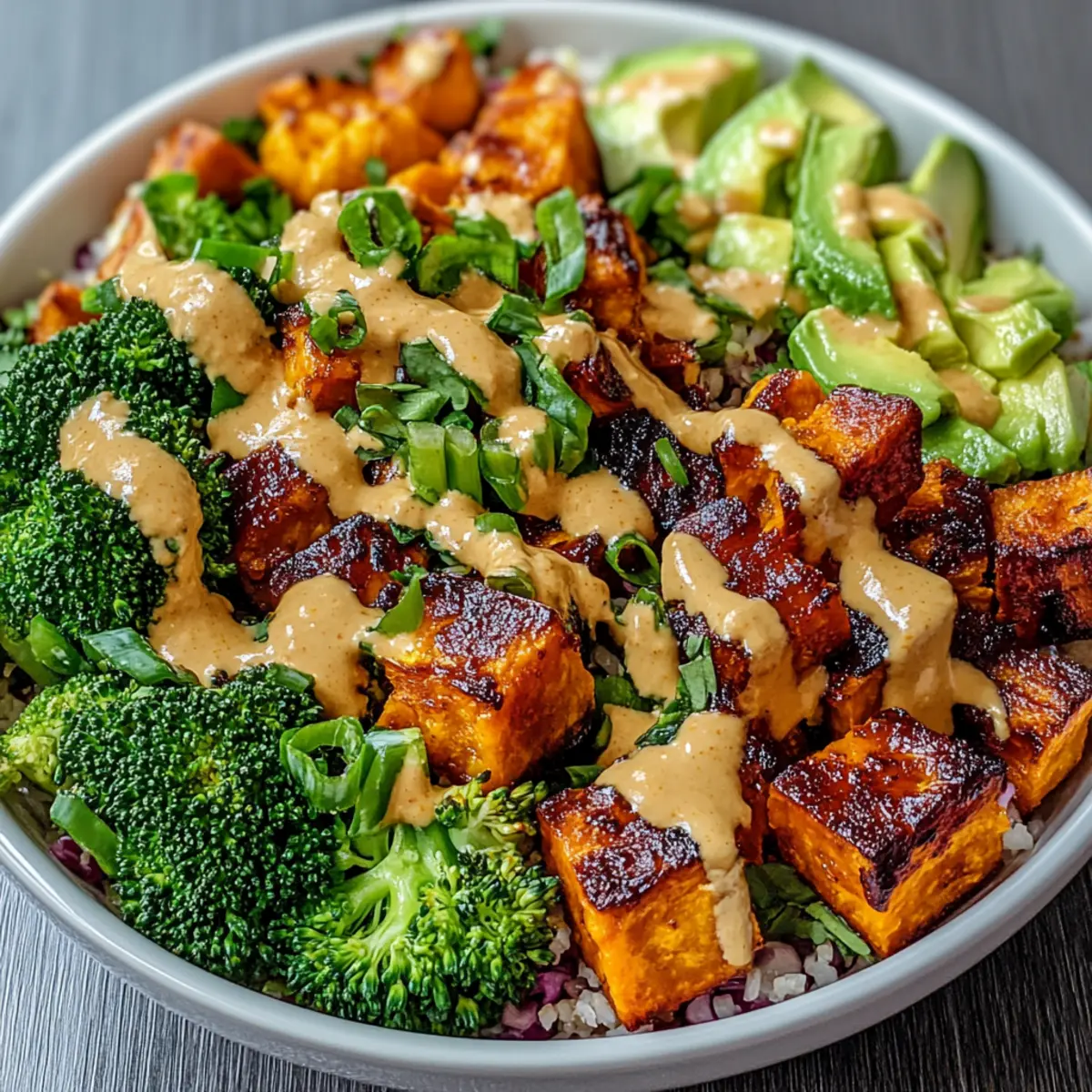
Thai Peanut Sweet Potato Buddha Bowl Recipe FAQs
What kind of sweet potatoes should I use?
Absolutely! When selecting sweet potatoes, look for ones that are firm and smooth with no dark spots or bruising. The ideal size is medium, approximately 4-6 inches long, as they roast more evenly and develop that lovely caramelization. If you find any with soft spots, it’s best to avoid those, as they may not roast well.
How should I store leftover Thai Peanut Sweet Potato Buddha Bowl?
Leftovers are best stored in an airtight container in the refrigerator and consumed within 3 days for optimal freshness. Make sure to keep the peanut sauce in a separate container to prevent the veggies from becoming soggy. If you need a little longer, consider pre-portioning the components; this way, you can quickly grab a serving and enjoy it throughout the week!
Can I freeze the components of the Buddha bowl?
Yes, you absolutely can freeze the components! For freezing the sweet potatoes, allow them to cool completely, and then place them in a tightly sealed freezer bag or container, where they’ll keep for up to 3 months. Similarly, the veggies can be blanched and stored for 2 months. As for the peanut sauce, keep it in a separate airtight container in the freezer to enjoy it fresh for up to 4 weeks. Just remember to thaw them overnight in the fridge before reheating!
What if I have nut allergies?
No worries! If you have nut allergies, you can easily substitute peanut butter with sunflower seed butter or tahini for the sauce, which provides a deliciously creamy texture. For toppings, swap out the peanuts with pumpkin seeds or sesame seeds, both of which will add a delightful crunch without any nuts. Feel free to adjust according to dietary needs!
How can I make this dish spicier?
If you love a bit of heat, consider adding sriracha or red pepper flakes to the peanut sauce! Start with a small amount, about 1 teaspoon, and adjust according to your spice preference. Additionally, you could sprinkle some diced jalapeños or add a dash of chili oil to give it that extra kick. The more, the merrier when it comes to flavor!
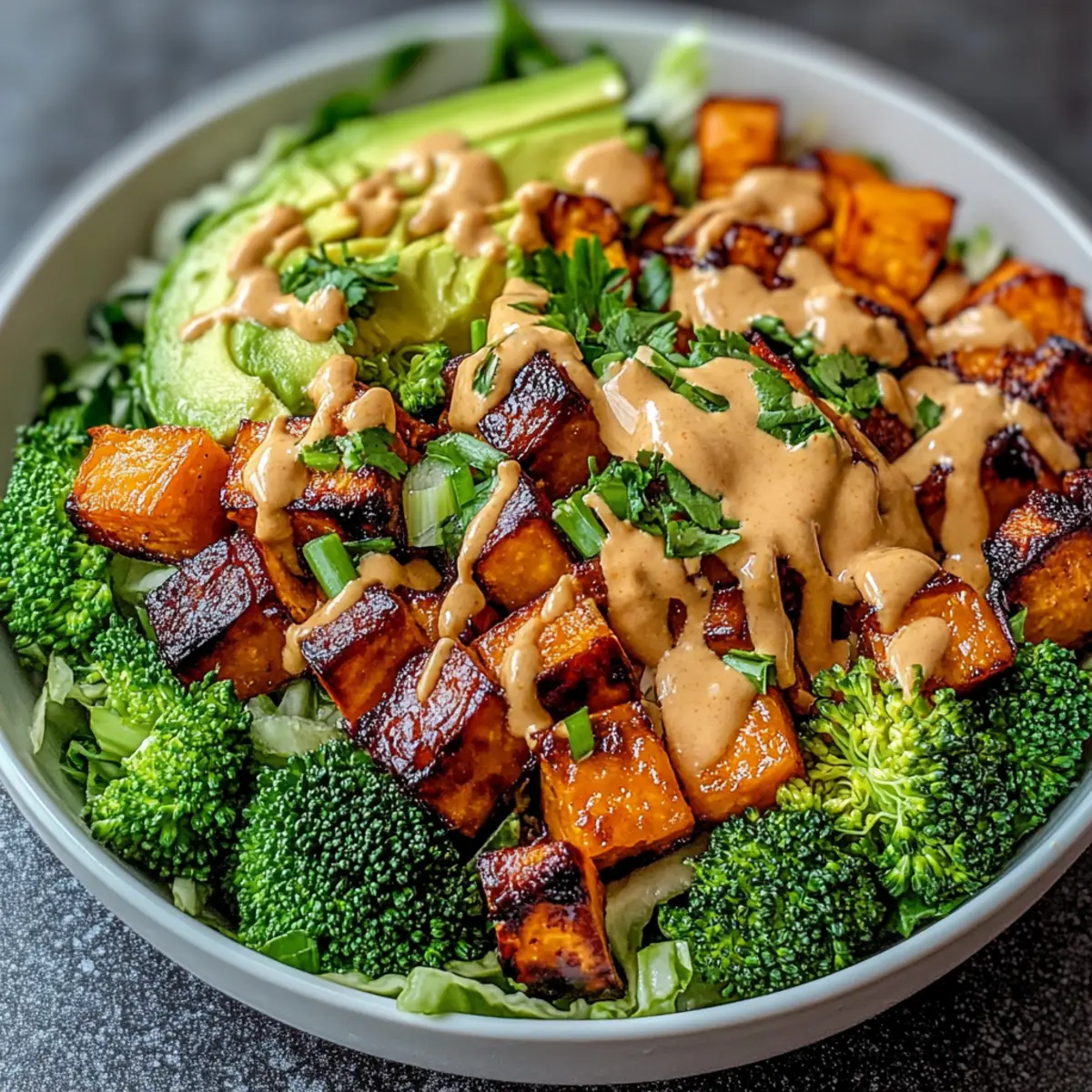
Thai Peanut Sweet Potato Bowl for a Flavorful Vegan Feast
Ingredients
Equipment
Method
- Dice the sweet potatoes into 1-inch cubes and place them in a large bowl. Chop the broccoli into bite-sized florets, slice the avocado, and grate the carrots.
- Preheat your oven to 400°F (200°C).
- Toss the diced sweet potatoes with olive oil, salt, and pepper until evenly coated.
- Spread the sweet potatoes on a baking sheet and bake for 25-30 minutes until golden brown and tender, flipping halfway through.
- Combine the chopped broccoli, shredded cabbage, grated carrots, and sliced avocado in a large serving bowl and toss until well mixed.
- Whisk together the peanut butter, soy sauce, maple syrup, lime juice, and sesame oil until smooth and creamy.
- Layer the mixed vegetables in a bowl followed by the roasted sweet potatoes and drizzle the peanut sauce over it.
- Sprinkle with chopped cilantro and crushed peanuts for added crunch and flavor.
Leave a Reply